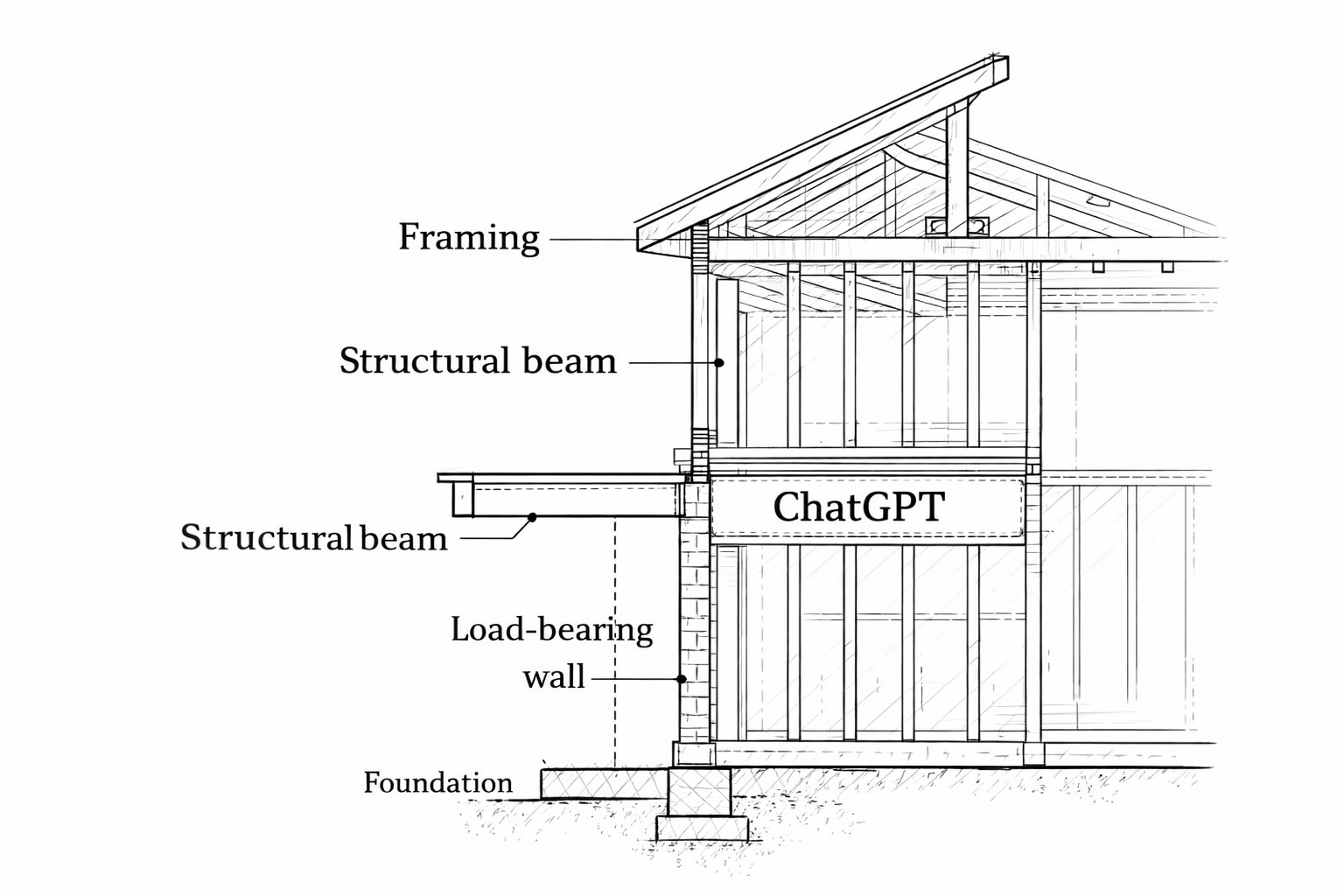
I know a lot of people will not like this, but I happen to use ChatGPT quite a lot lately. I live alone, and I am way behind on so many ideas and thoughts that I need some way to keep myself organized. ChatGPT has been a very useful tool for that purpose.
But there are trade-offs.
I have to be very strict with it. I don’t let it rewrite my text, and I certainly don’t let it start adding em dashes everywhere. I am the creative. It is basically my copy editor.
I’ve found other limitations. For example, I scanned about 90 pages of documents into a single PDF, but when I upload it into the app, only about 20 pages are accessible at a time. If I want the entire document examined, I have to split the PDF into smaller segments.
Another limitation is memory. OpenAI limits what it retains across sessions. From chat to chat, there is no deep memory unless you explicitly tell it to remember something. And even then, sometimes it retrieves what it needs and sometimes it doesn’t, so you have to remind it.
It cannot listen to music. If I compose something or assemble a track, it cannot evaluate it. And if I generate an image, the best method is to let it create the base image and then add any text myself, because image generation tools are still notoriously bad at rendering clean, readable text.
Another thing — whether it’s a bug or a feature — is that it’s not great at motivating you. It is very positive-minded. If you say you did something halfway, it will point out the upside. For example, I did my laundry but didn’t hang up all my shirts. I left them in an orderly pile and just pull from the top. It reframed that as intentional and practical. Which is nice.
But it won’t nag you.
If I say I’m going to make ice cream, it will give me a great recipe and encourage me. If I close the app and never bring it up again, it will not ask me next week whether I made the ice cream or the Philly cheesesteaks or anything else I consulted it about. That’s the good part. But it’s also not awesome, because sometimes I need prodding.
There are other apps I see ads for all the time — little productivity companions that help you get organized and clean your place. I don’t even know their names. I haven’t downloaded them. I don’t want to pay for something to nag me to get things done.
So yes, ChatGPT will not nag you.
But that’s also a good thing, isn’t it?
Right now I am working on several online projects.
I have my main blog, which is where this is being posted. I have a music site where I am attempting to log all the songs from the TV show Cold Case with time cues and screen caps. Right now we are in the middle of building the database because I want the database to be solid and correct before publishing the polished version.
Then there’s my memoir site, MyLifeAsAWorkOfFiction.com. That one is structurally complicated. I have to make it function the way I want it to function, and I also have to actually add stories, because a memoir site without memoirs is just a… site. I have pretty animation, but that’s about it so far.
And then there’s a podcast idea I’ve been working on for several months. There’s a website. There’s a concept. I’m working out the technical details, including getting my co-host integrated and scheduling time to make it happen. That site has to be built completely from the ground up.
I’m using ChatGPT to help with all of this.
But I work in bursts — no more than two or three hours at a time. After that, hallucinations creep in, and you cannot afford hallucinations in code. I can detect it if it changes my text. I can’t always detect it if it changes logic in code. I’m getting better, but I’m not there yet.
So I’ve developed a tactic.
If it starts slowing down or responses get sloppy, I know a refresh is needed. I ask it to generate a reset prompt that includes all the rules we’ve established, the topics we’re discussing, and the necessary details. Then I copy that prompt, open a new chat window, paste it in, and continue from there. So far, that system has worked well.
I don’t really know what the point of this post is. Maybe I just wanted to admit that I need help, and this is the help I’m using.
I’m not stealing work from anyone. There isn’t anyone in my life who could realistically do most of this work anyway. I don’t find it evil. I find it fallible, and I’ve learned how to minimize the effects of that fallibility.
Soon, I hope my sites will be up and running and I can shift into maintenance or creative mode instead of constant structural building. There’s no guarantee of that timeline.
But this is how I’m doing what I’m doing.